
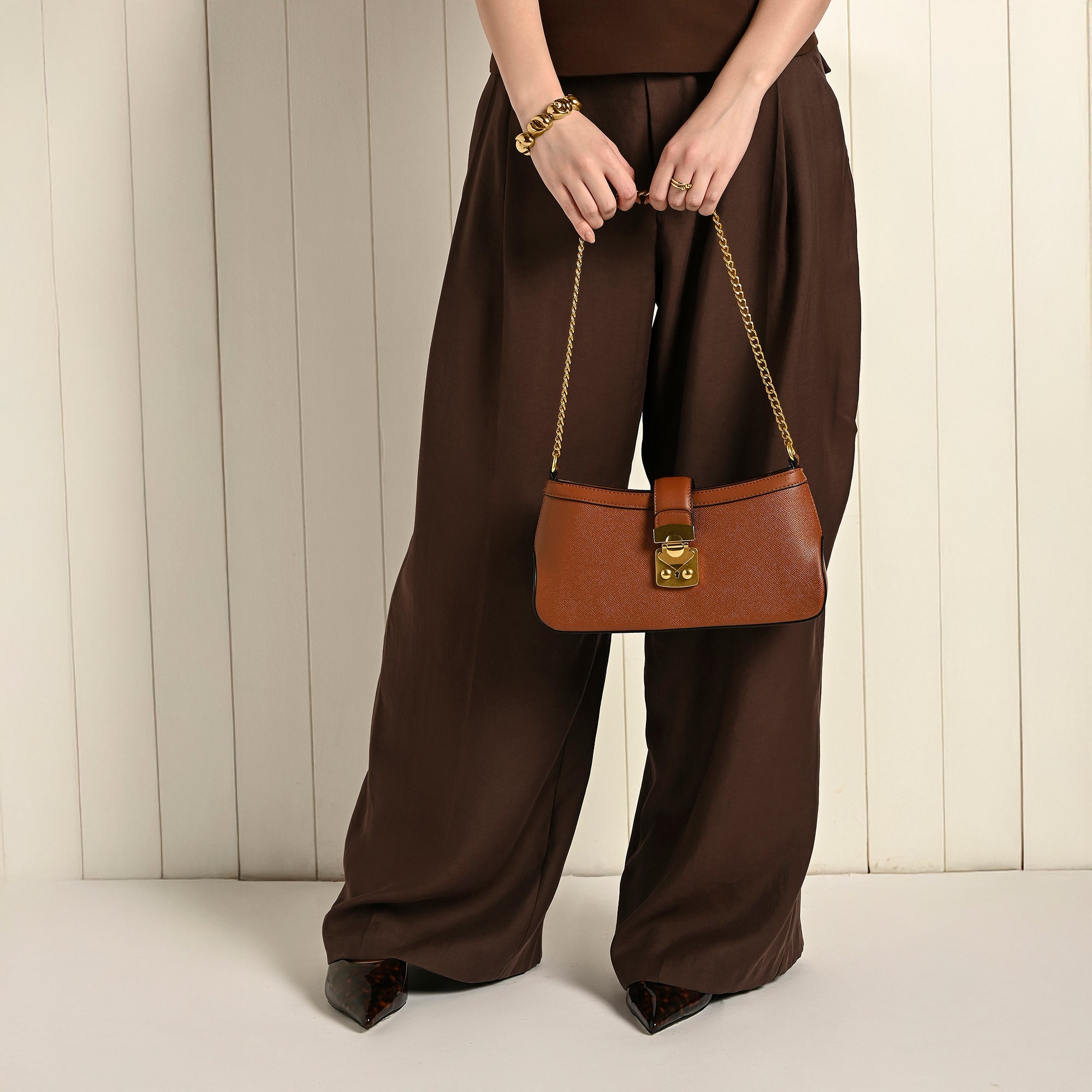
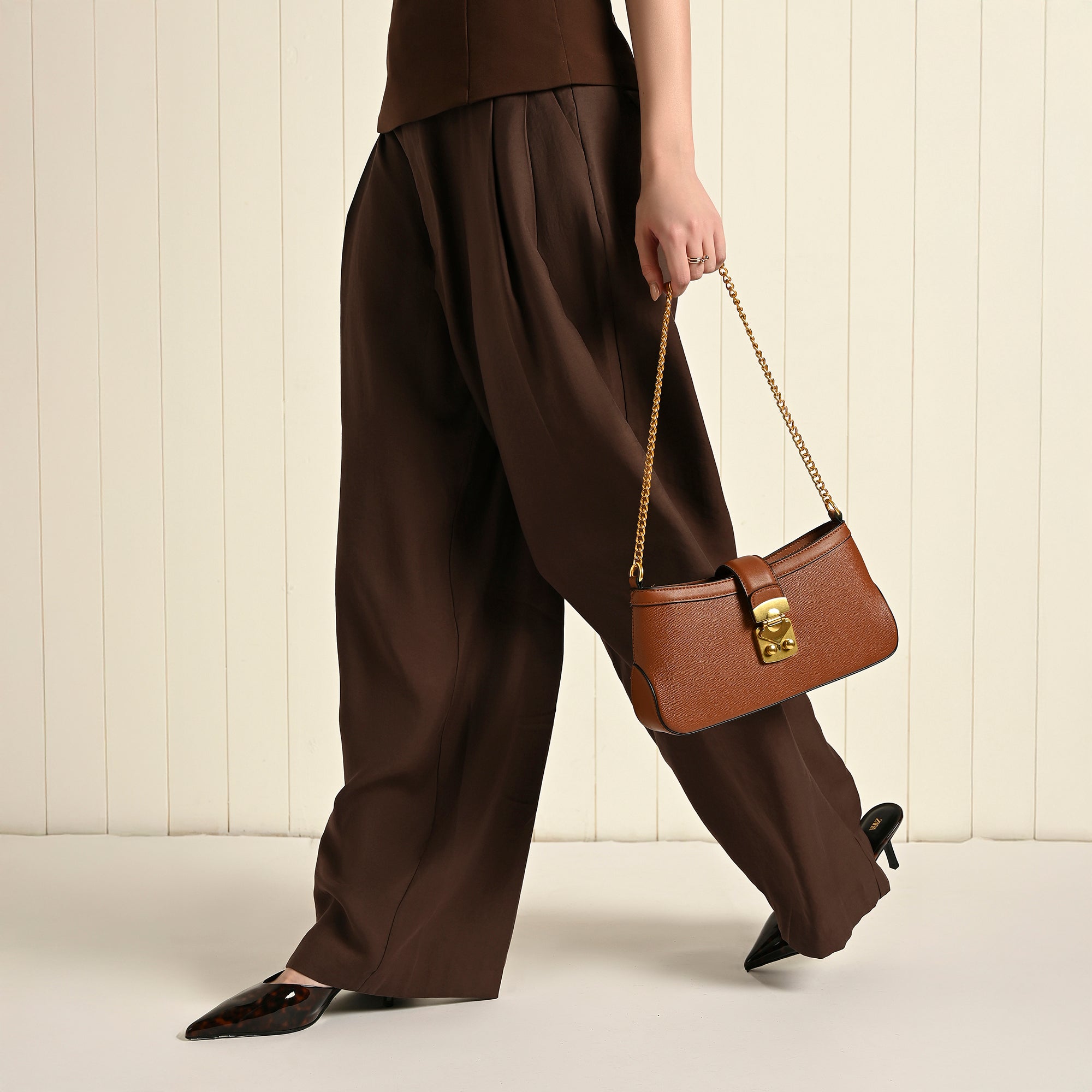


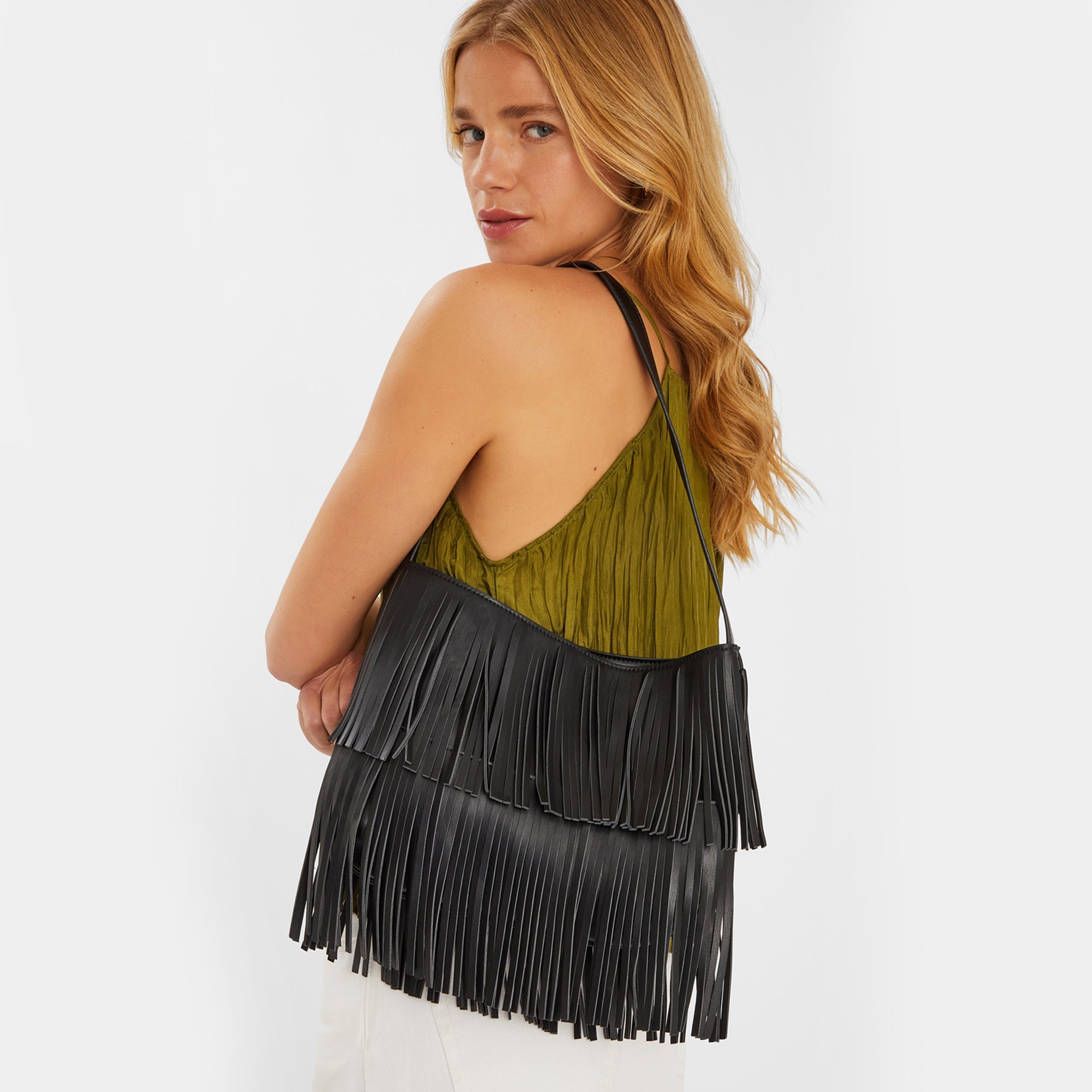
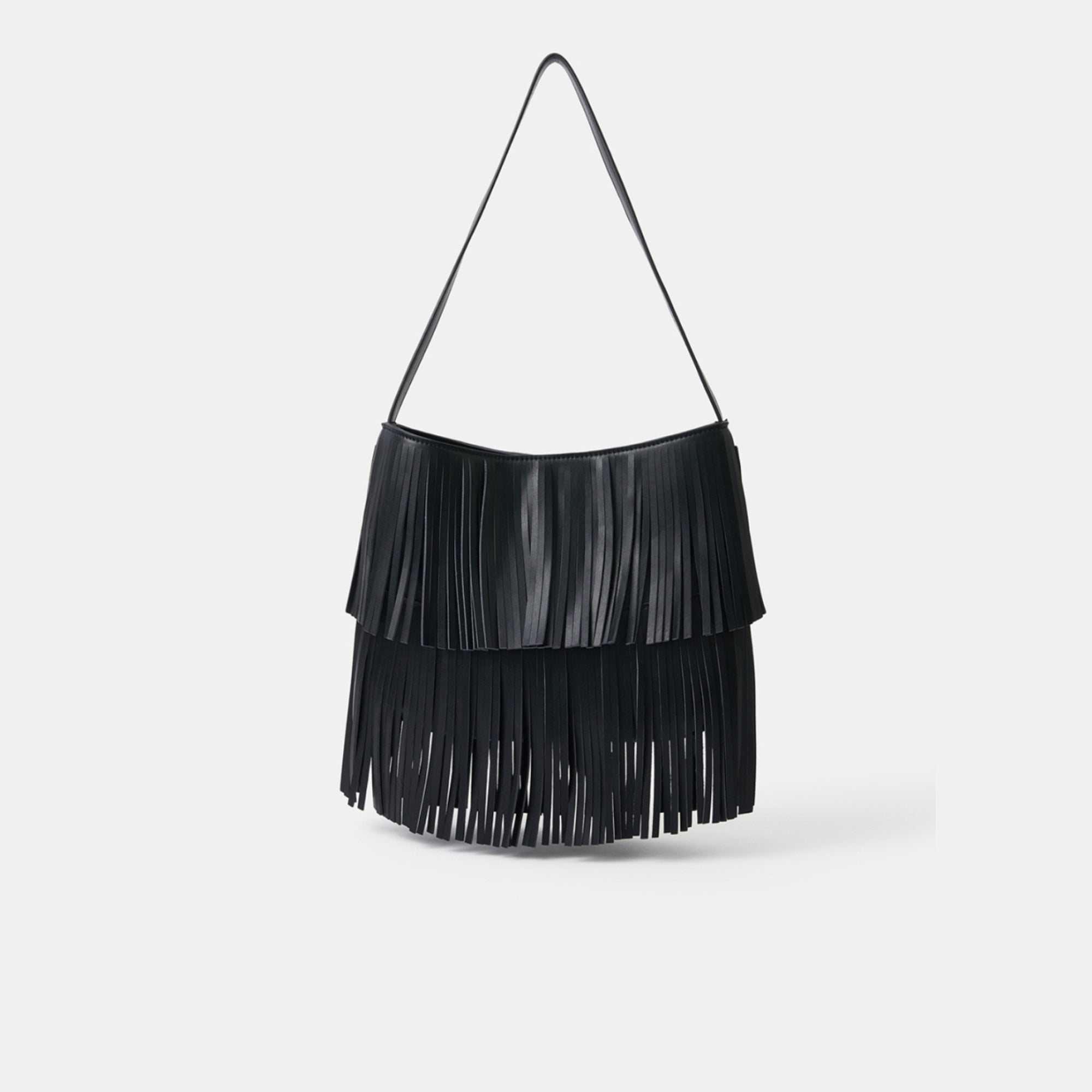
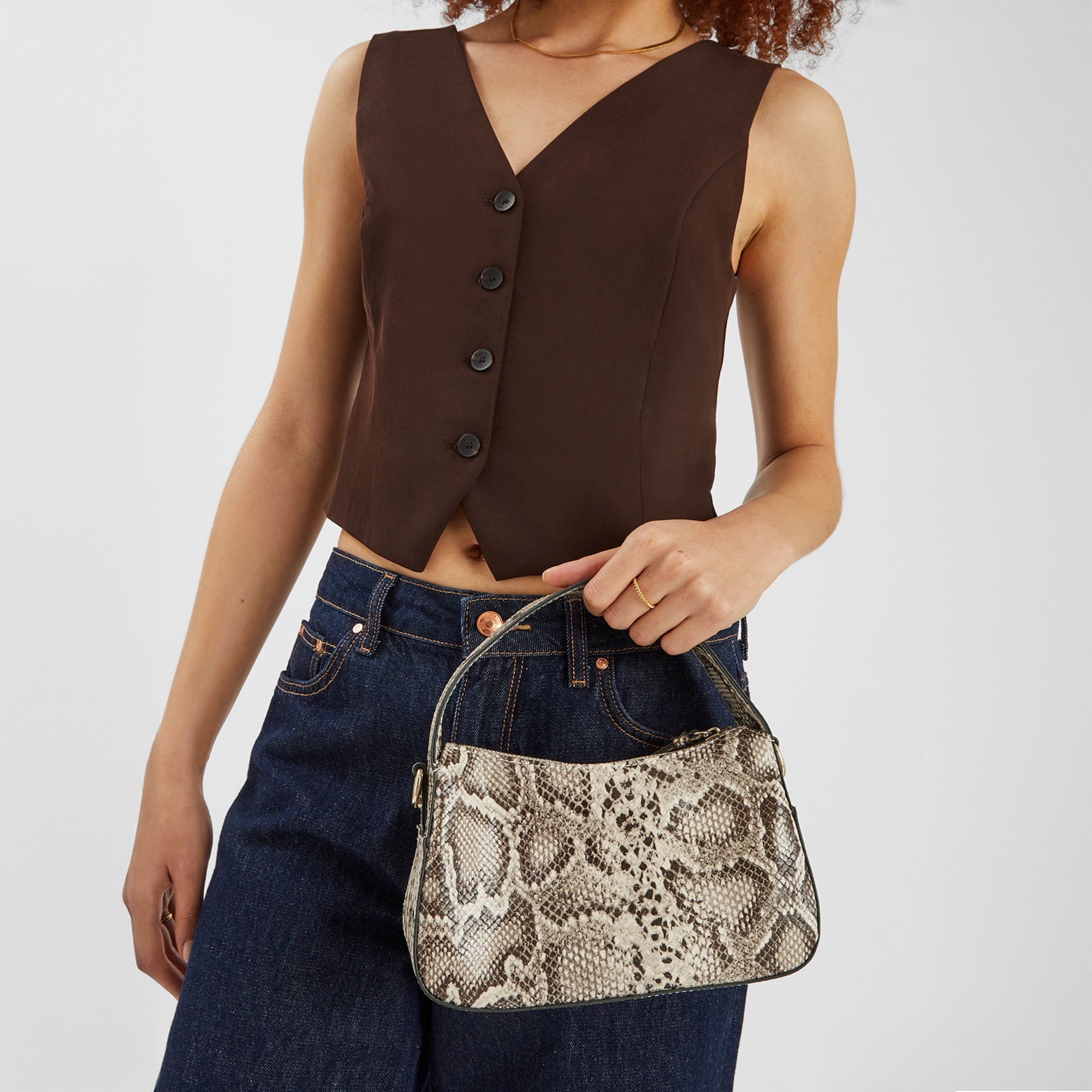
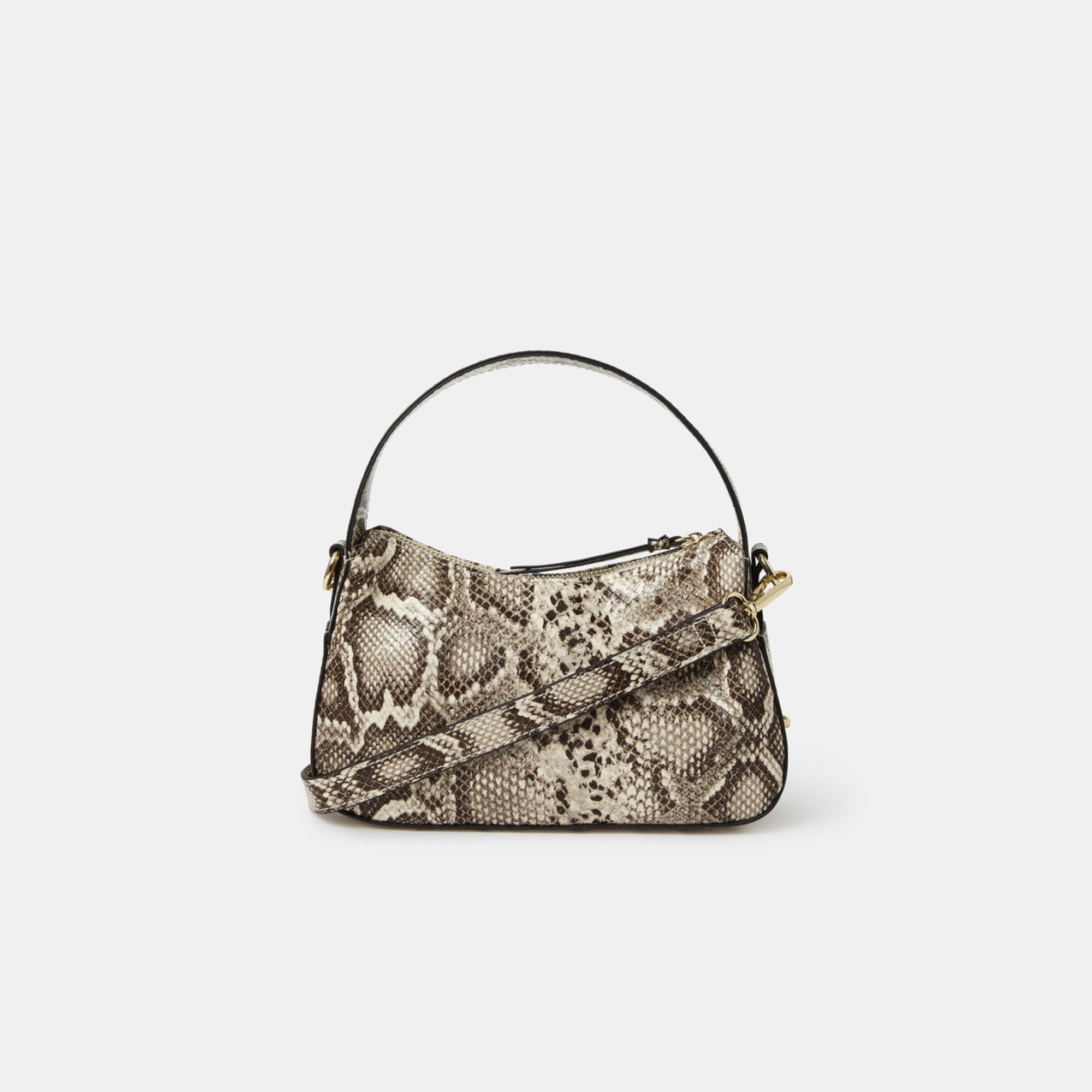
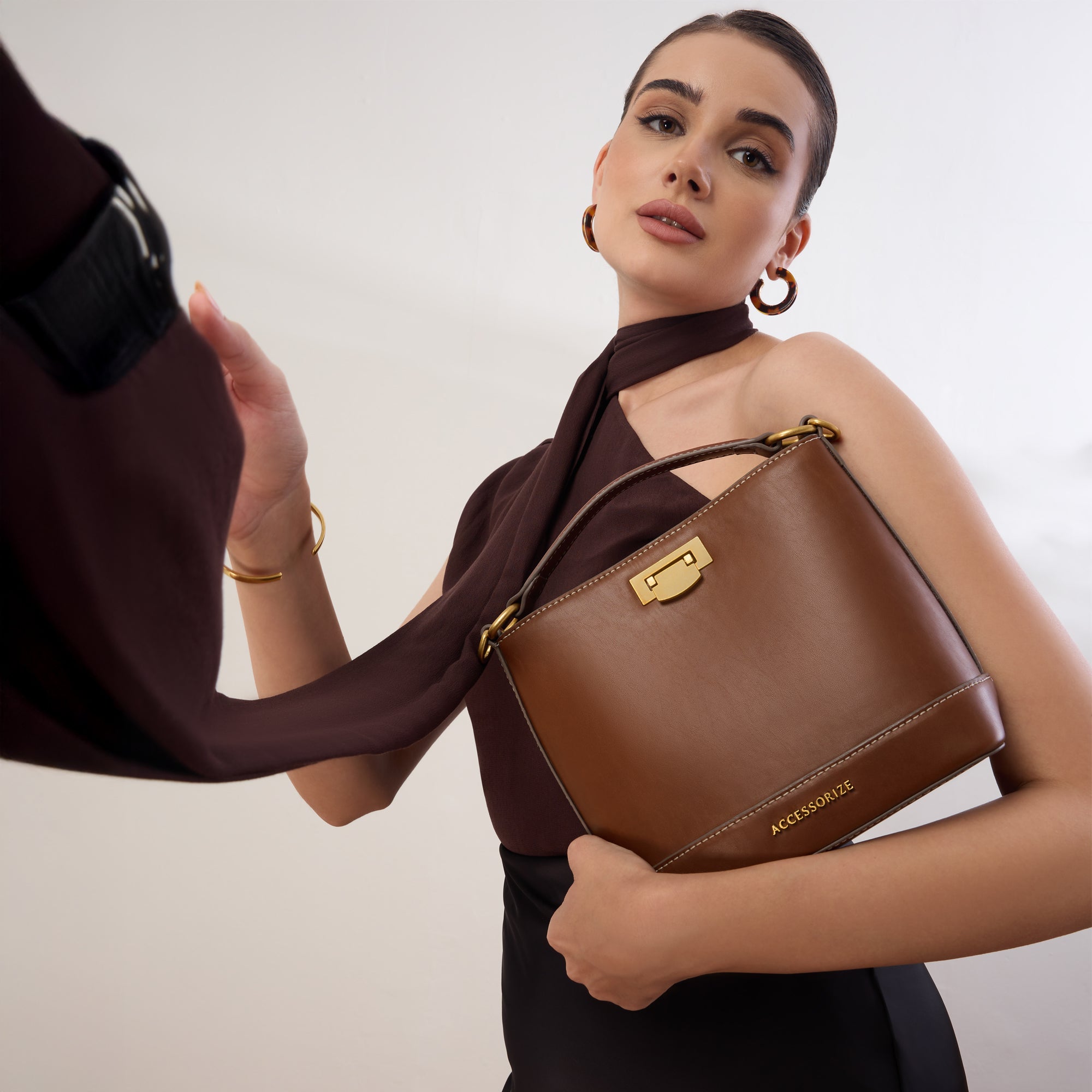
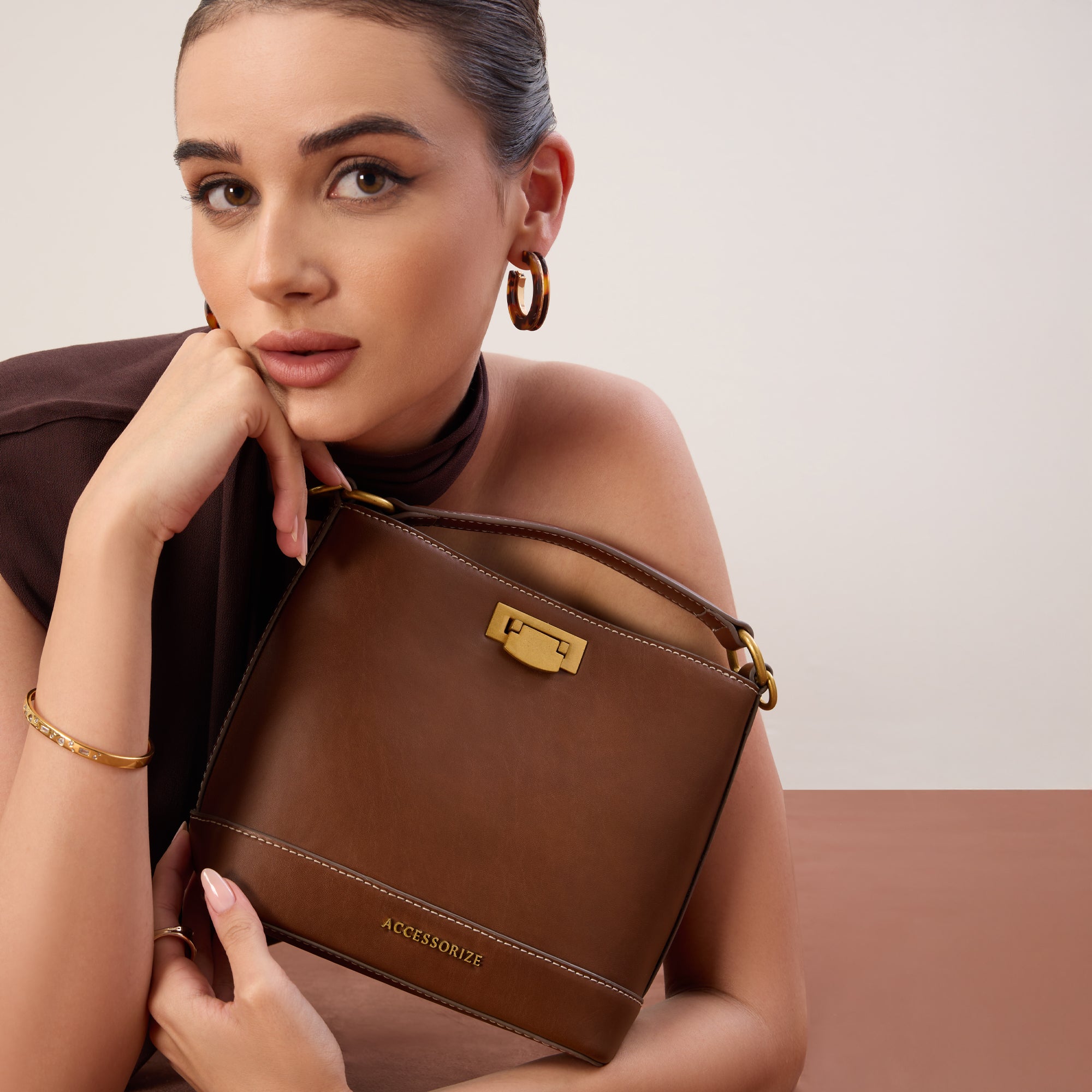

In recent years, fashion has seen a significant shift towards sustainability and cruelty-free options. One of the most notable movements is the growing popularity of faux-leather bags. These bags not only reflect contemporary trends but also embody our commitment to sustainability, offering a refined, animal-friendly alternative to genuine leather.
But why exactly are faux leather bags considered the best option in today’s fashion world? And how do they differ from genuine leather? Let’s dive in.
What is Faux Leather?
Faux leather, also known as synthetic leather or vegan leather, is an artificially produced material to mimic the appearance of real leather. Unlike genuine leather, faux leather is made from polyester, PVC, or PU, which are moulded into a leather-like texture and often dyed to resemble natural leather finishes. The most significant advantage of faux leather is that it doesn't rely on animal products, making it a cruelty-free and vegan-friendly option for fashion-conscious consumers.
Faux Leather vs Real Leather: What’s the Difference?
Material Composition:
Real Leather: Derived from animal hides (cows, goats, pigs).
Faux Leather: Made from synthetic materials like polyurethane (PU) or polyvinyl chloride (PVC), designed to replicate the look and feel of genuine leather without animal products.
Production Process:
Real Leather: Involves treating animal hides with chemicals, dyes, and oils, making it resource-intensive and polluting.
Faux Leather: Produced through synthetic processes, molding polyester, PU, or PVC into leather-like textures. Typically uses less water and chemicals, making it more sustainable.
Environmental Impact:
Real Leather: Requires significant resources like water and land for livestock, and harmful chemicals for tanning, contributing to deforestation and greenhouse gas emissions.
Faux Leather: Often made from recycled materials, like old plastic bottles, reducing waste. Traditional faux leather made from PVC has environmental drawbacks due to plastic use.
Durability and Aging:
Real Leather: Known for its long lifespan, developing a unique patina over time. Requires maintenance to preserve its condition.
Faux Leather: Does not age as well, can crack, peel, or lose color over time with exposure to wear and weather. However, it’s easier to maintain and clean.
Cost:
Real Leather: More expensive due to the material costs and labor-intensive production.
Faux Leather: More affordable, made from synthetic materials, and doesn’t require animal products.
What Makes Faux Leather Fashion-friendly?
Faux leather handbags come with several key advantages that make them an attractive choice for fashion lovers:
Variety of Textures and Finishes: Faux leather can be produced in a wide range of textures, from soft and smooth to more structured, similar to genuine leather. This versatility allows for a diverse collection of designs and finishes, suited to different styles and preferences.
Affordable: Faux-leather bags are generally cheaper than genuine-leather bags due to lower production costs. This allows fashion-forward consumers to enjoy stylish bags at a more accessible price point.
Easy to Maintain: Faux leather is generally easier to clean and maintain than genuine leather. It resists stains, moisture, and wear, making it ideal for everyday use.
Types of Faux Leather
Faux leather comes in various types, each offering distinct features. Some of the most common include:
PU Leather (Polyurethane Leather): Made from a plastic polymer, PU leather is soft, lightweight, and breathable, offering a sleek, modern look. It is one of the most common types of faux leather used in fashion accessories, such as handbags, jackets, and wallets.
PVC Leather (Polyvinyl Chloride Leather): PVC leather is more durable and water-resistant than PU leather, making it ideal for accessories that need extra protection against the elements. It tends to have a more glossy finish and can be used for bags with a more structured design.
Recycled Faux Leather: As sustainability becomes more of a priority, recycled faux leather is gaining popularity. It’s made from repurposed materials like old plastic bottles, ensuring minimal waste.
Benefits of Choosing Faux Leather Over Genuine Leather
Environmental Impact: Leather production is resource-intensive and often involves harmful chemicals. Faux leather, especially when made from recycled materials, has a significantly lower environmental impact.
Cruelty-Free: Faux leather is a 100% vegan material, so it aligns with ethical fashion choices and the growing demand for cruelty-free products.
Durability: Faux leather has improved significantly in recent years. It’s durable, easy to care for, and holds up well over time.
Trendy and Versatile: Faux leather is available in a variety of colours, textures, and finishes, enabling endless design creativity. Whether you’re looking for sleek and minimal or bold and statement-making, faux leather bags offer the perfect canvas for any look.
Which is More Sustainable: Faux Leather or Real Leather?
Sustainability is a key consideration for modern consumers. The production of real leather has significant environmental costs, including deforestation, water use, and chemical pollution. On the other hand, faux leather—especially recycled faux leather—has a lower environmental footprint. Faux leather made from recycled plastic bottles or other eco-friendly materials offers a more sustainable alternative, although some types, like PVC-based faux leather, still pose environmental concerns due to plastic use.
Key Sustainability Benefits of Faux Leather:
-
Often made from recycled materials, reducing waste and reliance on new resources.
-
Requires fewer resources like water and land compared to traditional leather production.
-
Some types are biodegradable or recyclable, which minimizes long-term environmental impact.
How to Choose Between Faux Leather and Real Leather for Your Style
Choosing between faux leather and real leather depends on several factors. If you're looking for a product that is durable, ages well, and has a classic, high-end feel, real leather may be the best choice. However, if sustainability, affordability, and ease of maintenance are important to you, faux leather is an excellent option.
Here’s a quick guide to help you decide:
-
For durability and long-term investment: Choose real leather.
-
For eco-consciousness and lower cost: Choose faux leather.
-
For fashion versatility and ease of maintenance: Faux leather is the better option.
Faux leather bags have evolved far beyond their initial conception, offering a sustainable, stylish alternative to traditional leather. With their ethical production, affordable pricing, and eco-conscious materials, they’re the perfect choice for anyone who wants to stay on trend without compromising on values.
FAQs
Are faux leather bags durable enough for daily use?
Yes, modern faux leather bags, especially those made from PU or recycled materials, are designed to be durable and withstand everyday use. However, they may require more care compared to real leather to maintain their appearance over time.
How do I maintain the appearance of my faux leather bag?
To maintain your faux leather bag, clean it regularly with a soft, damp cloth and avoid using harsh chemicals. Store it in a cool, dry place away from direct sunlight to prevent cracking or discoloration.
Can I use a faux leather bag in the rain?
While faux leather bags made from PVC or PU are water-resistant to some extent, they are not fully waterproof. It’s best to avoid prolonged exposure to heavy rain. If your bag gets wet, wipe it off promptly and let it air dry to avoid damage.
How can I tell if a faux leather bag is made from high-quality material?
Look for faux leather that feels soft, smooth, and has a natural-looking grain texture. High-quality faux leather will closely mimic real leather in both appearance and feel, while lower-quality faux leather may feel stiff or have a plastic-like finish.
Do faux leather bags last as long as real leather bags?
Faux leather bags typically don't last as long as real leather bags, but high-quality faux leather can last for several years with proper care. The key is to choose a bag made from durable materials like PU or recycled faux leather for better longevity.
Are faux leather bags vegan-friendly?
Yes, faux leather bags are 100% vegan since they are made from synthetic materials and do not involve animal products, making them an excellent choice for ethically-conscious consumers.
Can faux leather bags be repaired if they get damaged?
Faux leather can be harder to repair than real leather, but minor scuffs and scratches can sometimes be patched with leather adhesive or specialized repair kits. For more serious damage, the bag may need to be replaced.